 01865 580 879



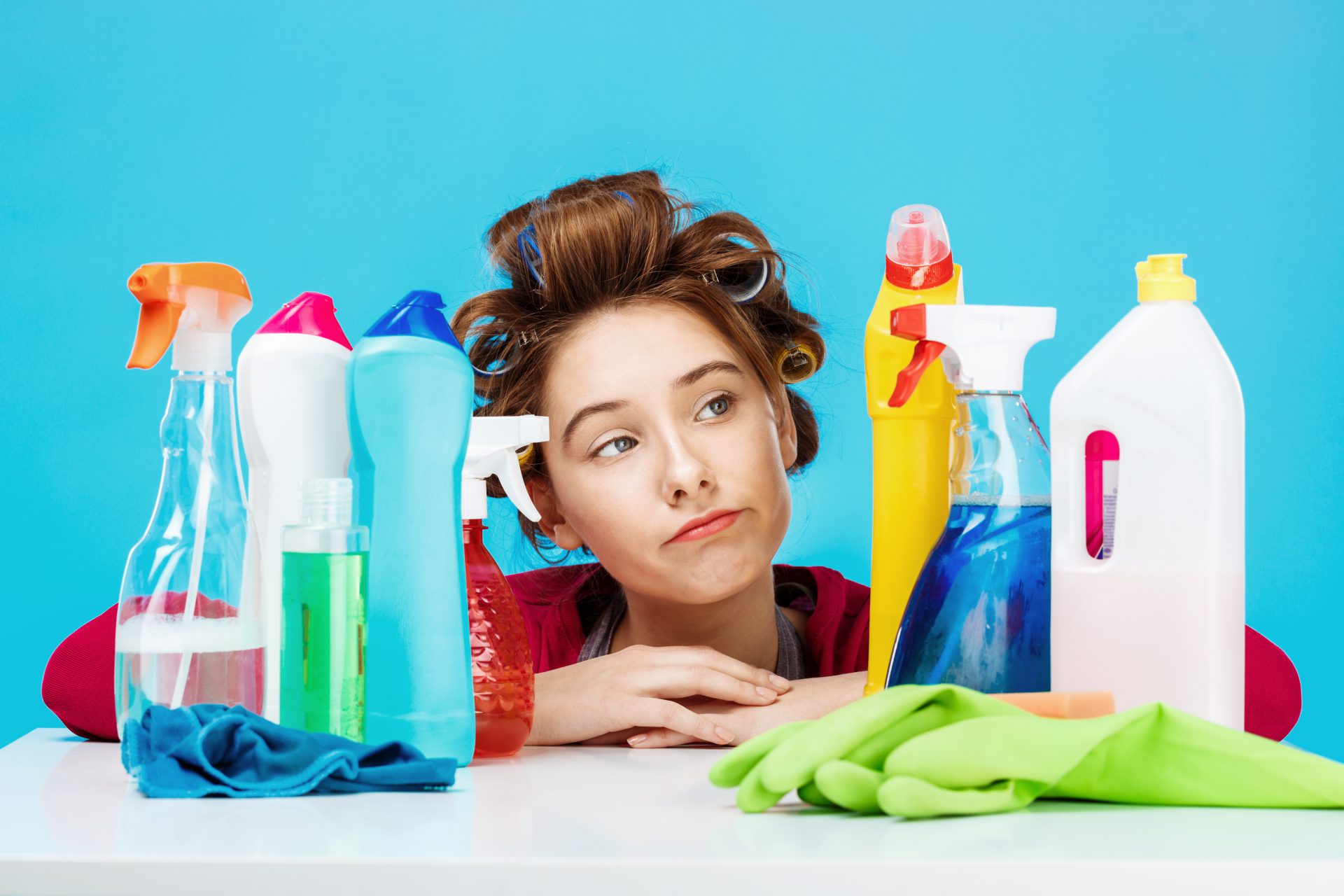
Most cleaning products available on supermarket shelves are designed for occasional household use — typically once or twice a week.
However, for professional cleaners, the situation is very different.
Cleaning teams can be exposed to these products for several hours a day, every day, which significantly increases the level of exposure.
What research shows
Scientific studies have consistently found that cleaning professionals are among the occupational groups most exposed to chemicals in indoor environments.
- Cleaning products often release volatile organic compounds (VOCs) and other chemical substances into the air
- Regular exposure has been linked to respiratory symptoms, asthma, and irritation of the skin and eyes
- Professional cleaners have been identified as a group with an increased risk of long-term respiratory conditions, including asthma and reduced lung function
In particular, products used in spray form or with strong fragrances can increase inhalation exposure, as particles are released directly into the air during use .
The impact of daily exposure
While occasional use of strongly scented cleaning products at home may seem harmless, repeated daily exposure over long periods is a different situation.
For professional cleaners, this can mean:
- continuous inhalation of airborne chemicals
- frequent skin contact with cleaning agents
- long-term exposure to irritants and sensitisers
Studies have shown that this repeated exposure can contribute to:
- respiratory irritation and breathing difficulties
- increased risk of occupational asthma
- skin conditions such as dermatitis
Why professional cleaning focuses on low-odour products
Because of these risks, many professional cleaning companies choose to use:
- low-fragrance or fragrance-free products
- products designed for frequent, repeated use
- safer and more controlled cleaning solutions
The goal is not to create a strong scent, but to:
 clean effectively
reduce unnecessary chemical exposure
protect both clients and cleaning staff
A different perspective on “that clean smell”
Interestingly, the strong scent many people associate with cleanliness is often the result of added fragrances, not actual cleanliness.
In fact:
 Stronger smell often means more chemicals released into the air, not a cleaner home.
For professional cleaners working long hours, this distinction is especially important.
What this means for your home/ office
A truly clean home should:
- feel fresh and comfortable
- not have overpowering artificial scents
- have improved air quality, not reduced
This is why many professional cleaning services focus on results rather than fragrance.
Final thought
Cleaning should improve your environment — not add unnecessary exposure to chemicals.
Understanding the difference between:
- real cleanliness
and - the illusion created by strong scents
helps create a healthier, more balanced approach to cleaning — for both clients and the people doing the work every day.

